How do businesses keep products moving efficiently through warehouses, factories, and distribution centers while controlling costs and maintaining safety? What allows companies to handle increasing inventory demands without significantly expanding their workforce? The answer often lies in effective material-handling solutions. According to industry estimates, forklifts move billions of tons of goods globally each year, and more than one million forklifts are in operation across warehouses, manufacturing facilities, and logistics centers worldwide. These machines have become essential tools for businesses seeking greater productivity, efficiency, and profitability.
In today's competitive business environment, efficiency, productivity, and safety are essential for success. Companies involved in manufacturing, warehousing, logistics, retail, and construction rely heavily on equipment that can streamline operations and reduce manual labor. Among the most valuable pieces of material-handling equipment are modern forklifts. These versatile machines have transformed the way businesses move, store, and manage goods, making them indispensable across numerous industries.
Forklifts do much more than simply lift and transport heavy loads. They contribute to improved workflow, enhanced workplace safety, reduced operational costs, and increased profitability. By investing in the right forklift solutions, businesses can achieve significant gains in productivity and maintain a competitive edge in their markets.
Increasing Operational Efficiency
One of the primary benefits of forklifts is their ability to improve operational efficiency. Moving heavy materials manually is time-consuming, labor-intensive, and often impractical. Forklifts allow operators to transport large quantities of goods quickly and accurately, significantly reducing the time required to complete tasks.
In warehouses and distribution centers, forklifts enable workers to load and unload shipments rapidly, ensuring products move smoothly through the supply chain. Faster material handling means businesses can process more orders, reduce delays, and improve customer satisfaction. Whether transporting pallets, stacking inventory, or loading trucks, forklifts help keep operations running efficiently.
Modern forklifts are designed with advanced features such as precise controls, ergonomic seating, and enhanced maneuverability, allowing operators to perform tasks with greater speed and accuracy. This increased efficiency translates directly into higher productivity and improved business performance.
Enhancing Workplace Safety
Workplace safety is a top priority for every organization. Manual handling of heavy goods can lead to injuries such as muscle strains, back problems, and accidents caused by dropping or mishandling materials. Forklifts help reduce these risks by taking on the heavy lifting that would otherwise be performed by workers.
Businesses that invest in forklifts often experience fewer material-handling injuries and a safer working environment. When operated correctly, forklifts provide a safer method of transporting and stacking materials. They minimize the need for employees to carry heavy loads, reducing the likelihood of workplace injuries and associated compensation claims. Businesses that prioritize forklift safety training and regular equipment maintenance can create a safer work environment while maintaining productivity.
Many modern forklift models include advanced safety features such as stability control systems, operator presence sensors, backup alarms, cameras, and automatic braking technologies. These innovations help prevent accidents and protect both operators and nearby workers.
Maximizing Storage Space
Efficient use of available space is crucial for businesses that manage inventory. Forklifts enable companies to maximize vertical storage capacity by safely lifting goods to elevated shelving and racking systems. This allows warehouses to store more inventory without expanding their physical footprint.
By utilizing high storage racks, businesses can organize products more effectively and improve inventory management. Better space utilization reduces clutter, improves accessibility, and enhances overall warehouse efficiency. Companies can increase storage capacity while minimizing the costs associated with facility expansion or relocation.
Specialized forklifts designed for narrow aisles and high-reach applications further improve space efficiency. These machines enable businesses to take full advantage of warehouse layouts and optimize storage operations.
Reducing Labor Costs
Labor costs represent a significant expense for many businesses. Forklifts help reduce these costs by enabling fewer workers to accomplish more tasks in less time. A single forklift operator can move materials that would otherwise require multiple employees to handle manually.
This increased productivity allows businesses to allocate human resources more effectively. Employees can focus on higher-value tasks such as quality control, inventory management, customer service, or production activities rather than spending excessive time moving materials.
While forklifts require an initial investment and ongoing maintenance, the long-term savings generated through improved productivity and reduced labor requirements often outweigh these costs. Businesses that integrate forklifts into their operations frequently experience a strong return on investment.
Supporting Business Growth
As businesses grow, so do their material-handling requirements. Forklifts provide the scalability needed to accommodate increasing inventory levels, larger shipments, and higher production volumes. Companies can expand their operations without significantly increasing their workforce or compromising efficiency.
Forklifts support growth by ensuring materials continue to move smoothly through facilities even as demand rises. They help prevent bottlenecks that can slow production or delay order fulfillment. With the right fleet of forklifts, businesses can maintain operational excellence while scaling their operations to meet market demands.
Additionally, forklift rental and leasing options provide flexible solutions for businesses experiencing seasonal fluctuations or temporary increases in workload. This flexibility allows organizations to adapt quickly to changing business conditions.
Improving Supply Chain Performance
A well-functioning supply chain is critical for business success. Forklifts play a vital role in ensuring goods are transported efficiently throughout warehouses, manufacturing facilities, and distribution centers. Faster loading and unloading times reduce transportation delays and improve inventory flow.
By minimizing handling times, forklifts help businesses maintain accurate delivery schedules and improve customer satisfaction. Efficient material handling also reduces the risk of product damage during transportation and storage, helping companies avoid costly losses and maintain product quality.
Supply chain efficiency directly impacts profitability, and forklifts serve as a key tool in maintaining smooth and reliable operations.
Supporting Sustainability Goals
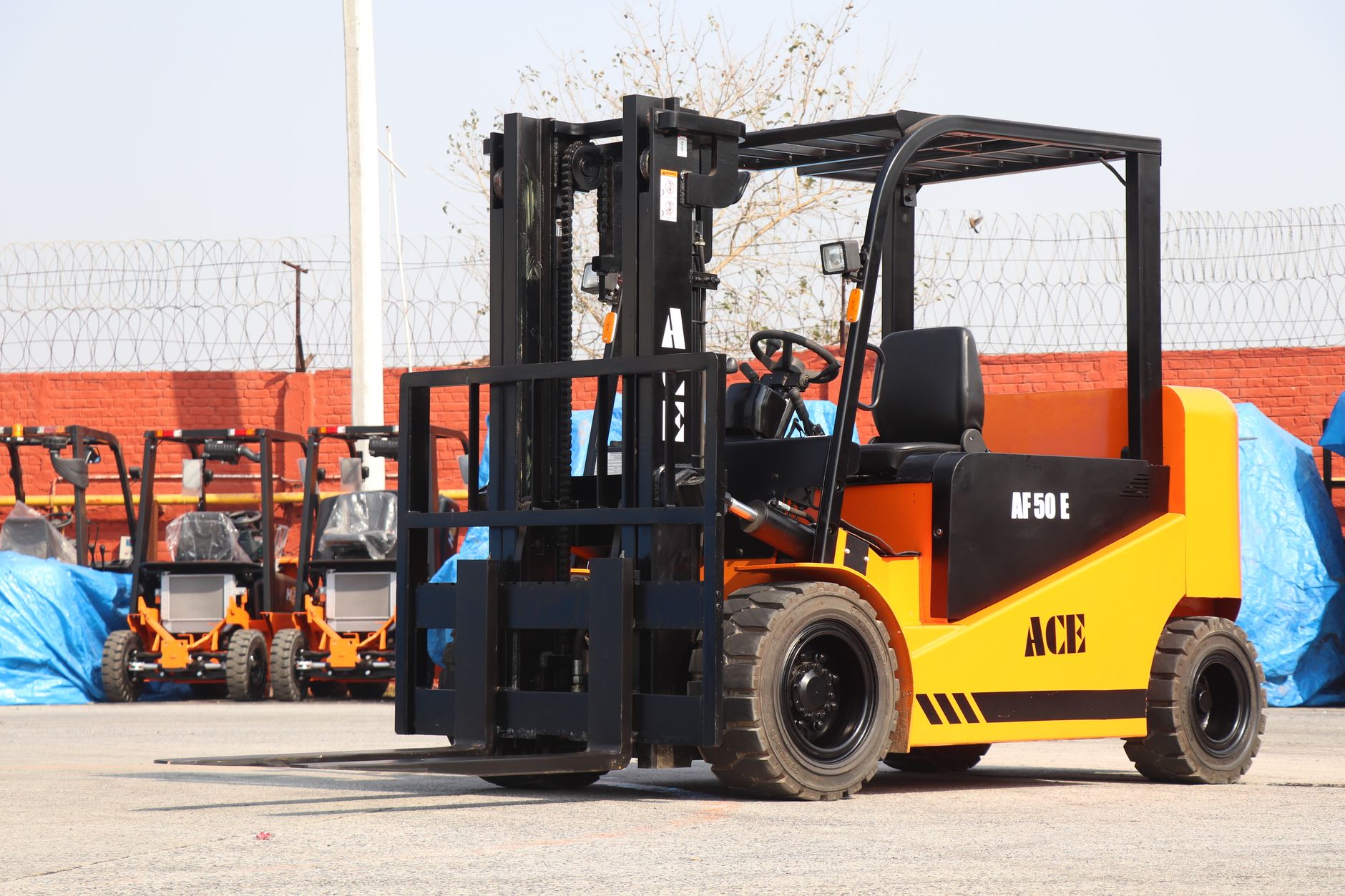
Many businesses are focusing on sustainability and environmental responsibility. Modern electric forklifts offer an eco-friendly alternative to traditional internal combustion models. These forklifts produce zero direct emissions and operate more quietly, making them ideal for indoor environments.
Electric forklifts can help businesses reduce their carbon footprint, lower energy consumption, and meet environmental objectives. Advances in battery technology have improved operating times and charging efficiency, making electric models increasingly attractive for companies seeking sustainable solutions.
By investing in environmentally friendly equipment, businesses can enhance their reputation while contributing to broader sustainability efforts.
Forklifts are far more than simple lifting machines. They are essential tools that drive efficiency, improve safety, optimize storage, reduce labor costs, and support business growth. From warehouses and manufacturing plants to construction sites and distribution centers, forklifts play a crucial role in helping organizations operate effectively and remain competitive.
As technology continues to advance, forklifts are becoming even more capable, offering smarter controls, enhanced safety features, and sustainable operating options. Businesses that invest in the right forklift solutions position themselves for greater productivity, stronger profitability, and long-term success. In an increasingly demanding marketplace, forklifts remain a key contributor to operational excellence and business growth.