
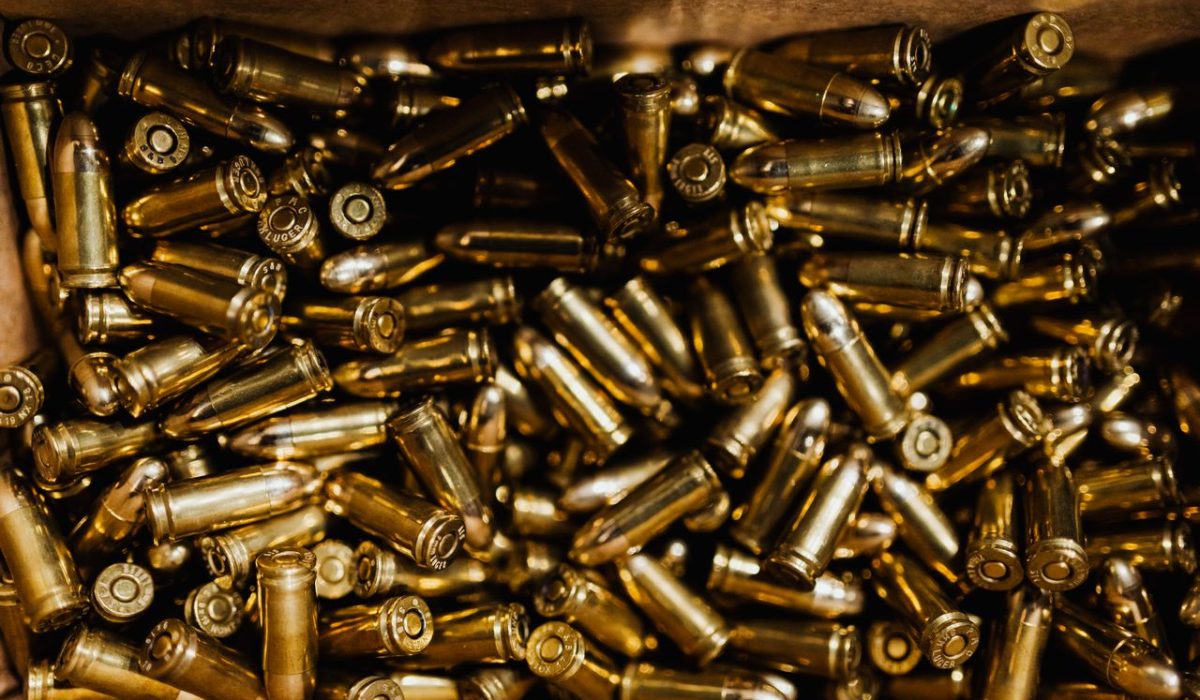
Action pistol disciplines demand frequent live-fire practice, making steady ammunition sourcing an ongoing priority for competitive athletes.
Successful competitors analyze their component expenses and service their loading equipment over years of active practice. Exploring sustainable acquisition options keeps training calendars full and supports reliable firearm cycling throughout local leagues and national matches.
Bulk Powder and Primer Procurement
Action shooting competitors fire high round counts during weekly training, which makes purchasing primary ignition and propellant supplies in bulk quantities a practical approach. Buying propellants and primers in large commercial containers lowers unit expenses while keeping loading benches stocked throughout the match season.
Commercial freight carriers and specialized hazardous material transport companies deliver these regulated goods directly to residential workshops.
Checking local municipal storage limits and regional freight delivery schedules allows handloaders to schedule their shipments without regulatory issues.
Sourcing Match Projectiles in High Quantities
Projectiles account for a major portion of recurrent ammunition expenses during heavy practice months.
Polymer-coated bullets and copper-plated designs provide reliable accuracy across paper targets and steel silhouettes. Commercial bullet casting foundries and domestic projectile fabricators ship heavy orders in reinforced containers directly to homes.
Reviewing alloy hardness specifications and base coatings helps competitors select projectiles that feed smoothly through standard magazines.
Finding Processed 9mm Brass for Sale
Locating consistent 9mm brass for sale gives competitors durable cartridge cases that tolerate repeated firing. Purchasing washed and roll-sized cases frees up hours that would otherwise go toward case preparation.
Range brass recovery companies and specialized casing processors offer cleaned once-fired hulls through commercial online storefronts. Confirming that suppliers sort cases by primer pocket type and remove military crimps prevents bent decapping pins during high-volume sessions.
Powder Burn Rates and Efficient Formulations
Selecting an appropriate propellant burn rate creates consistent chamber pressures that cycle slides smoothly without generating harsh felt recoil.
Faster-burning powders paired with heavier bullets consume less powder charge per cartridge and produce clean sight tracking.
Commercial ballistics laboratories and propellant technical departments publish verified loading data and maintain phone advisory desks. Comparing factory data sheets across bullet profiles confirms safe pressure margins while meeting tournament power standards.
Supplying Spent Cases to Metal Artisans
Spent brass cases with cracked mouths or deep dents find practical applications in decorative metalwork and steampunk jewelry. Crafters purchase fired metallic hulls for their natural golden color and distinct surface patina.
Online craft material exchanges and scrap recycling operations collect non-reloadable brass hulls for distribution to independent studios.
Distinguishing between scrap casings and reloadable components allows shooting clubs to raise supplemental revenue through creative metal recycling.
Progressive Press and Toolhead Maintenance
High-volume progressive presses experience ongoing friction across linkage pins and indexing mechanisms during weekly loading runs. Wiping down dirt and lubricating pivot points keeps stations aligned properly.
Reloading equipment manufacturers and certified repair shops provide factory overhaul programs that replace worn bushings and tired springs. Adhering to regular cleaning schedules preserves machine timing and yields cartridges with dependable dimensions.
Utilizing Commercial Brass Cleaning Services
Thorough case washing eliminates range grit and residual carbon that could score expensive sizing dies.
Commercial tumbling facilities and custom brass processing services wash bulk quantities of cartridge cases inside industrial rotary drums.
These specialized operations employ liquid detergents and stainless steel media to scour primer pockets and case walls. Outsourcing the washing process saves labor while maintaining clean feeding characteristics across high round counts.
Component Storage and Moisture Control
Extended exposure to elevated temperatures and ambient moisture degrades chemical compounds inside primers and smokeless propellants. Sealing components inside airtight storage containers along with clay or silica desiccants preserves burn characteristics across seasonal climate shifts.
Industrial packaging distributors and climate control supply firms sell reusable moisture barrier bags directly to the public. Monitoring storage spaces with digital hygrometers keeps components fresh and prevents misfires during tournament stages.
Sourcing Pre-Owned Gear Through Equipment Exchanges
Purchasing new reloading machinery requires significant cash upfront from novice competitors.
Experienced shooters frequently upgrade to automated machines, leaving reliable manual presses and powder dispensers available on secondary channels. Local gun club consignment programs and certified pre-owned equipment brokers inspect and resell dependable loading gear.
Consulting club directors and verified equipment dealers helps shooters find sturdy presses without overspending on brand-new equipment.
Die Maintenance and Caliber Conversion Care
Continuous cycling causes fine grit to wear down shellplate cutouts and loosen die lock rings. Polishing expander plugs and cleaning seating stems prevents surface galling and produces smooth cartridge seating.
Precision tool grinding shops and specialized firearms machine shops offer die polishing services and replacement locator pins. Keeping toolheads clean from metal shavings and grease buildup maintains uniform cartridge overall length for competition firearms.
Bulk Cooperative Ordering and Inventory Planning
Organizing group purchases shields local competitors from regional inventory shortages and erratic retail pricing. Shooters who combine their orders on freight pallets save on hazardous material fees and freight shipping surcharges.
Commercial freight forwarders and bulk purchasing cooperatives arrange scheduled depot pickups and split-shipment logistics for regional clubs. Tracking annual round consumption and upcoming match dates allows competitive squads to secure components well in advance.
Managing a demanding training schedule across practical shooting disciplines requires consistent attention to component sourcing and equipment maintenance. Handloaders who coordinate bulk purchasing, use commercial cleaning services, refresh their mechanical presses, and maintain steady component reserves keep their loading benches running smoothly.
Sourcing materials through established commercial channels protects the training schedule from unexpected inventory disruptions.
Careful planning and regular machine care provide the ammunition reliability needed for local weekend matches and major national tournaments.