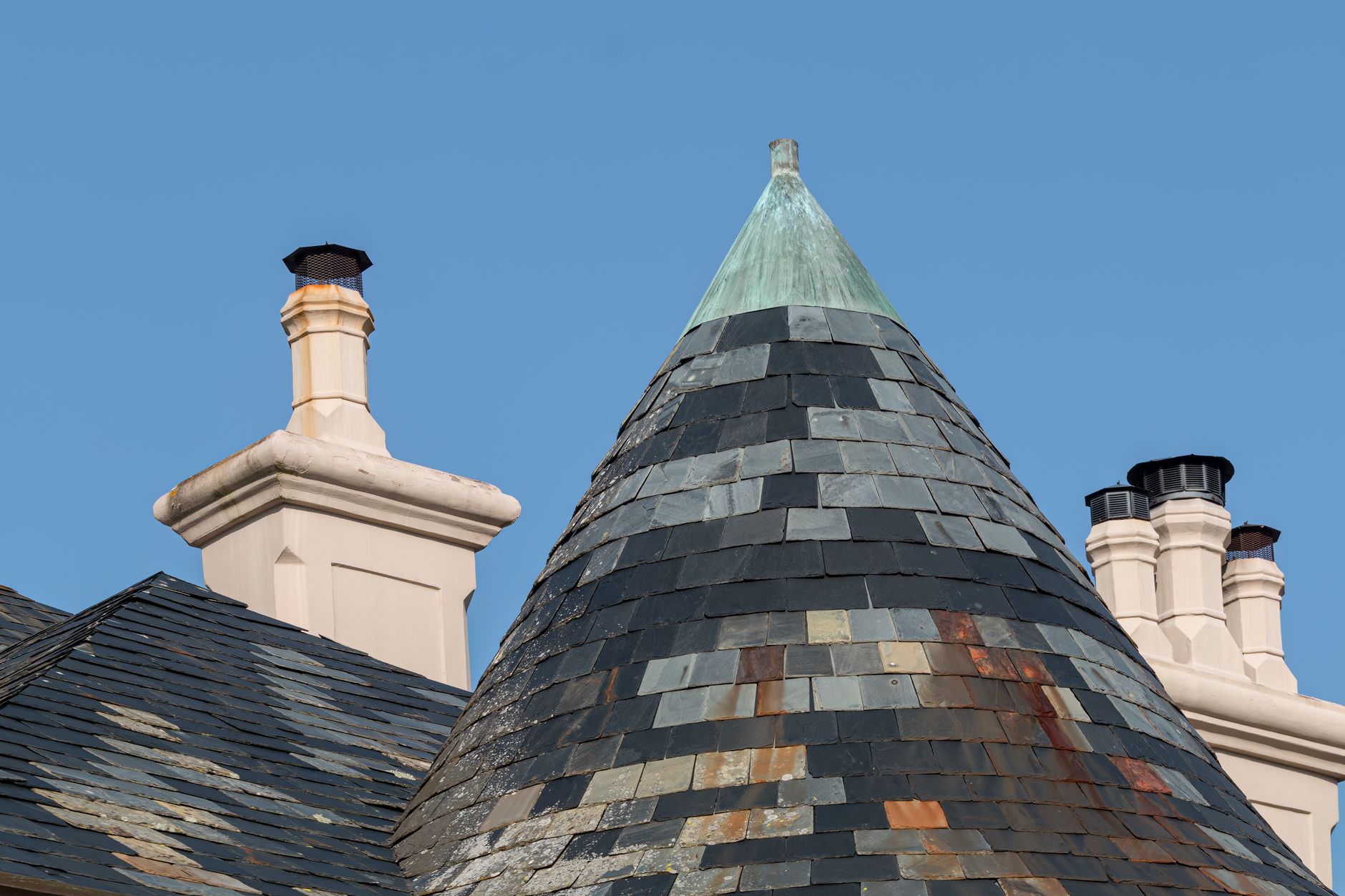
Slate roofing has long been regarded as one of the most prestigious and durable roofing materials available. Used for centuries on homes, churches, castles, and public buildings, slate roofs are known for their exceptional longevity, natural beauty, and resistance to harsh weather conditions. While modern roofing materials such as asphalt shingles and metal roofing have become popular due to their lower initial costs, slate continues to be the preferred choice for homeowners and architects seeking a premium roofing solution.
What Is Slate Roofing?
Slate roofing is made from natural stone that is quarried, cut into thin tiles, and installed on a roof in overlapping layers. Slate is a metamorphic rock formed under intense heat and pressure over millions of years, resulting in a dense, durable material that can withstand the elements for decades.
Natural slate is available in a variety of colors, including gray, black, green, purple, and red. The unique variations in color and texture give each slate roof a distinctive appearance that enhances the character and value of a property.
Benefits of Slate Roofing
Exceptional Longevity
One of the most significant advantages of slate roofing is its lifespan. A properly installed and maintained slate roof can last anywhere from 75 to over 150 years. In some cases, slate roofs have remained functional for more than two centuries. This longevity far exceeds that of traditional asphalt shingles, which typically last between 20 and 30 years.
Because of its durability, slate roofing is often considered a lifetime investment. Although the initial installation cost is higher, the long-term value can outweigh the expense by reducing the need for roof replacements.
Outstanding Durability
Slate is naturally resistant to many of the issues that affect other roofing materials. It does not rot, warp, crack easily, or attract insects. Additionally, slate can withstand extreme temperatures, heavy rain, snow, and high winds. Its dense composition makes it highly resistant to moisture absorption, reducing the risk of water damage.
This durability makes slate roofing particularly suitable for regions that experience harsh weather conditions throughout the year.
Fire Resistance
As a natural stone product, slate is completely non-combustible. This means it provides excellent fire protection and can help improve a building’s overall fire resistance. Unlike wood shakes or some synthetic materials, slate does not ignite when exposed to sparks or flames.
For homeowners concerned about safety and insurance considerations, slate roofing offers a significant advantage.
Aesthetic Appeal
Slate roofing is widely admired for its elegant and timeless appearance. The natural texture and color variations create a sophisticated look that complements a variety of architectural styles, including historic, traditional, and luxury homes.
Many property owners choose slate not only for its performance but also for its ability to enhance curb appeal. A well-maintained slate roof can increase a property's value and make it stand out in the real estate market.
Environmentally Friendly
Slate is a natural and sustainable roofing material. Because it lasts so long, fewer resources are required for manufacturing, transportation, and replacement compared to shorter-lived roofing products.
Additionally, slate can often be recycled and reused when buildings are renovated or demolished. Its longevity helps reduce construction waste, making it an environmentally responsible roofing option.
Types of Slate Roofing
There are two primary categories of slate roofing: hard slate and soft slate.
Hard Slate
Hard slate is the most durable variety and can last well over 100 years when properly maintained. It is highly resistant to weathering and is commonly used on historic structures and premium residential properties.
Soft Slate
Soft slate is slightly less dense and generally has a lifespan of 50 to 100 years. While it remains an excellent roofing material, it may weather more quickly than hard slate. Soft slate is often more affordable and can still provide decades of reliable performance.
Installation Considerations
Installing a slate roof requires specialized knowledge and expertise. Unlike conventional roofing materials, slate tiles are heavy and must be handled carefully to prevent breakage.
Before installation, a structural assessment is usually necessary to ensure that the building can support the additional weight of the slate. In some cases, roof framing may need reinforcement.
Professional installation is critical because improperly installed slate tiles can lead to leaks, damage, and premature failure. Homeowners should work with experienced roofing contractors who specialize in slate roofing systems.
Maintenance Requirements
Although slate roofing requires relatively little maintenance, periodic inspections are recommended. Damaged or broken tiles should be replaced promptly to prevent water infiltration.
Roof flashings, fasteners, and surrounding components may require maintenance over time, even if the slate itself remains in excellent condition. Regular inspections can help identify potential issues before they become costly repairs.
One important consideration is that walking directly on slate tiles can cause damage. Maintenance work should only be performed by professionals familiar with slate roofing systems.
Cost of Slate Roofing
Slate roofing is among the most expensive roofing options on the market. Material costs, transportation, and specialized labor contribute to the higher price. Depending on the type of slate, roof complexity, and location, installation costs can be significantly greater than those of asphalt shingles or metal roofing.
However, the long lifespan of slate often offsets the higher upfront investment. Homeowners who plan to remain in their homes for many years may find that slate offers superior long-term value due to reduced replacement and maintenance costs.
Potential Drawbacks
Despite its many advantages, slate roofing does have some limitations. The most notable drawback is cost. The initial investment may be prohibitive for some property owners.
Weight is another concern. Because slate is much heavier than many alternative roofing materials, not all structures are suitable candidates without reinforcement.
Additionally, repairs can be more specialized and expensive compared to conventional roofing systems. Finding contractors with extensive slate roofing experience may also be more challenging in some regions.
Conclusion
Slate roofing remains one of the most durable, attractive, and prestigious roofing materials available today. Its remarkable lifespan, resistance to weather and fire, low maintenance requirements, and timeless appearance make it a premium choice for homeowners seeking long-term value and architectural beauty. While the upfront cost and installation requirements are greater than those of many alternatives, a properly installed slate roof can provide generations of reliable protection. For those willing to invest in quality and longevity, slate roofing continues to be an unmatched roofing solution.