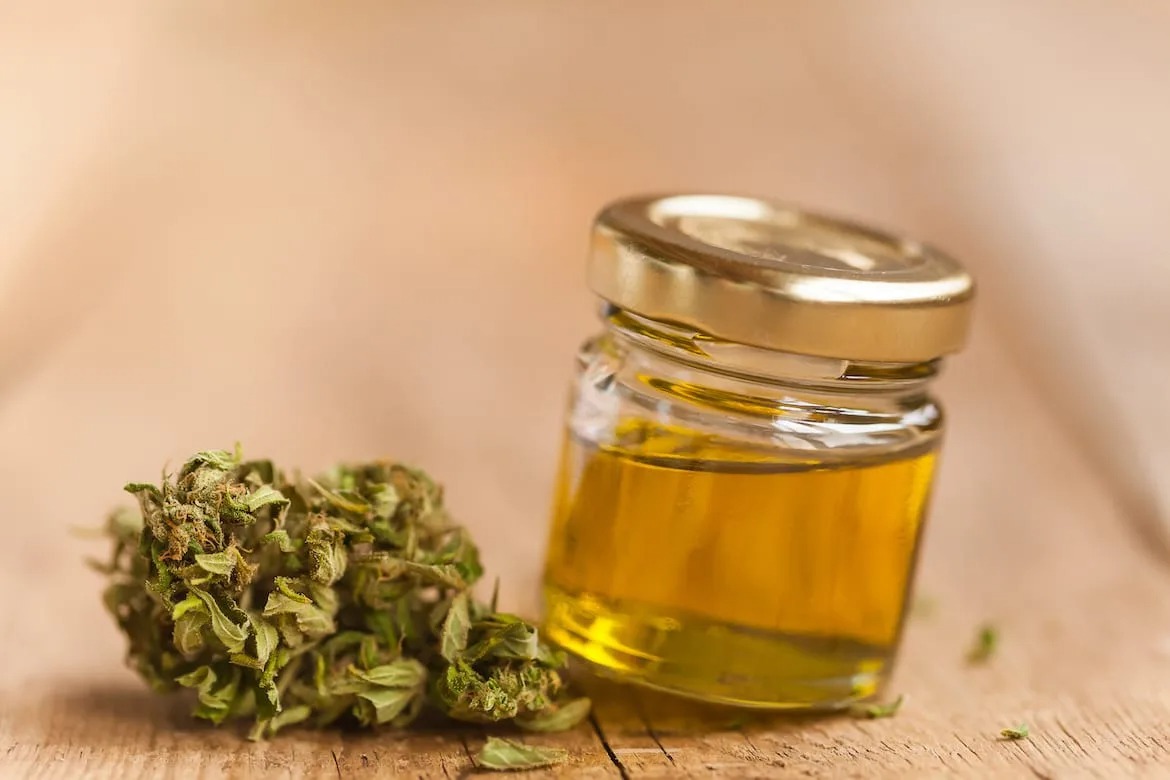
THCA, or tetrahydrocannabinolic acid, is one of the most important naturally occurring cannabinoids found in the cannabis plant. It is the chemical precursor to THC, the compound responsible for the psychoactive effects commonly associated with cannabis. Unlike THC, THCA is non-psychoactive in its raw form, which has made it increasingly popular among individuals seeking the potential benefits of cannabis without experiencing intoxication. As interest in cannabinoids continues to expand, THCA has become a key focus in both scientific research and consumer wellness markets.
What Is THCA?
THCA is produced during the early growth stages of the cannabis plant and is found in high concentrations in fresh, raw cannabis flowers and leaves. In its natural state, cannabis contains very little THC. Instead, it holds THCA, which only becomes THC through a chemical process known as decarboxylation. Decarboxylation occurs when cannabis is exposed to heat, such as through smoking, vaping, or cooking, or even over time when exposed to light and air.
Because THCA has an additional carboxylic acid group in its molecular structure, it behaves differently in the body compared to THC. This small structural difference is what prevents THCA from producing a psychoactive “high.”
THCA vs. THC: Key Differences
Although THCA and THC are closely related, their effects and uses vary greatly. THC binds directly to CB1 receptors in the brain, resulting in altered perception, mood changes, and euphoria. THCA does not bind to these receptors in the same way, which is why it does not cause intoxication.
This distinction makes THCA appealing to people who want to remain clear-headed while exploring cannabinoid-based products. It is also attractive to individuals who may be sensitive to THC or who prefer to avoid psychoactive substances altogether.
Potential Benefits of THCA
While research on THCA is still in its early stages, preliminary studies and observational evidence suggest several promising properties. One of the most commonly discussed potential benefits of THCA is its anti-inflammatory activity. Inflammation plays a role in many chronic conditions, and THCA’s interaction with the body’s endocannabinoid system may help regulate inflammatory responses.
THCA has also been studied for potential neuroprotective properties. Early laboratory research suggests it may support brain health by protecting nerve cells from damage. Additionally, some studies indicate that THCA may help with nausea and appetite regulation, making it of interest for individuals dealing with digestive or appetite-related concerns.
Another emerging area of interest is THCA’s antioxidant potential. Antioxidants help neutralize free radicals, which can contribute to cellular damage and aging. Although more clinical research is needed, these findings highlight the therapeutic potential of THCA beyond its role as a THC precursor.
How THCA Is Consumed
To preserve THCA, it must be consumed without heat. Common methods include juicing raw cannabis leaves and flowers, consuming raw cannabis in smoothies, or using cold-processed tinctures and extracts specifically designed to maintain THCA content. Some products labeled as THCA flower are cultivated and processed to retain high THCA levels while remaining within legal THC limits prior to heating.
It is important to note that once THCA is heated, it converts into THC. This means that smoking or vaping THCA-rich products will result in psychoactive effects similar to traditional cannabis.
Legal Status of THCA
The legality of THCA can be confusing and varies depending on location. In some regions, THCA derived from hemp is considered legal if it meets federal or local requirements for THC content at the time of testing. However, because THCA can convert into THC, some regulators treat it similarly to THC under the law.
Consumers should always verify local regulations before purchasing or using THCA products. Understanding how THCA is classified in your area can help avoid legal complications.
The Future of THCA
As cannabinoid science continues to evolve, THCA is expected to gain greater recognition for its unique properties. Researchers are actively exploring its potential therapeutic applications, while manufacturers are developing innovative ways to stabilize and deliver THCA effectively. With growing consumer interest in non-psychoactive cannabinoids, THCA is positioned to play a significant role in the future of cannabis-based wellness.
In conclusion, THCA is a fascinating cannabinoid that highlights the complexity of the cannabis plant. Its non-psychoactive nature, potential health benefits, and role as the foundation of THC make it an important compound worth understanding. As research expands, THCA may offer new opportunities for individuals seeking alternative approaches to cannabis use.