
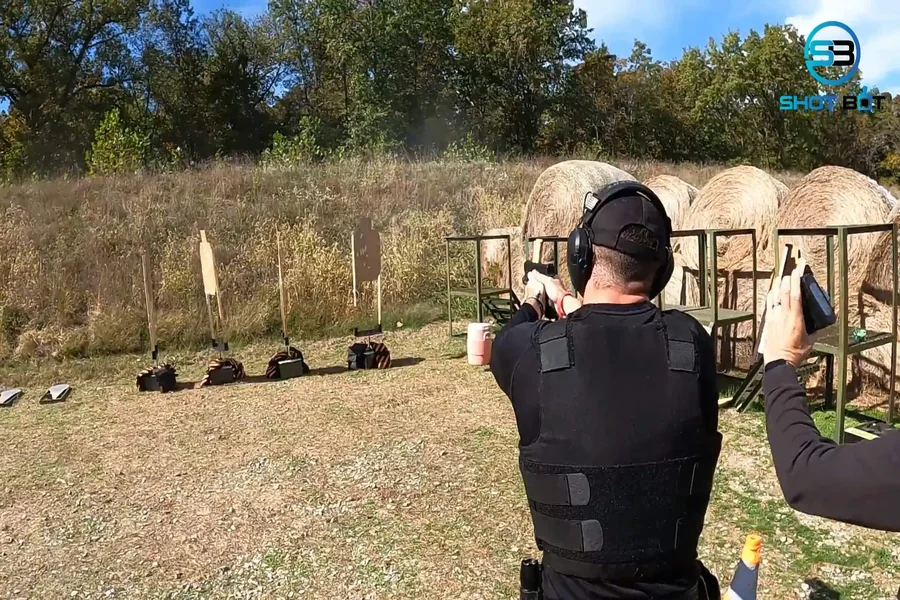
Shooting targets are essential tools in marksmanship, archery, and firearm training. At first glance, they may seem like simple objects placed at a distance to be aimed at, but in reality, they are carefully designed systems that measure accuracy, improve performance, and support both recreational and professional shooting disciplines. From basic paper bullseyes to advanced electronic scoring systems, shooting targets play a critical role in how shooters develop skill and how competitions are structured.
Understanding how shooting targets work and why they matter requires looking at their design, purpose, and impact across training environments and sports worldwide.
The Basic Function of Shooting Targets
At their core, shooting targets serve one primary purpose: to provide a measurable point of aim. When a shooter fires a projectile—whether a bullet, arrow, or pellet—the target captures the result and allows the shooter to evaluate accuracy.
Most traditional targets are divided into scoring zones. The closer a shot lands to the center, the higher the score. This simple concept makes it possible to evaluate precision objectively. It also gives shooters immediate feedback on their performance, helping them adjust technique, posture, breathing, and aim.
In training environments, this feedback loop is essential. Without targets, it would be difficult to measure progress or identify errors in shooting form.
How Shooting Targets Work in Practice
Different types of shooting targets function in slightly different ways, but they all share the same goal: translating a physical impact into useful feedback.
Paper Targets
Paper targets are the most common and straightforward. They work by visually recording bullet holes or impact marks. Shooters examine the grouping of shots to assess consistency.
For example, a tight cluster of holes indicates good control and accuracy, while scattered impacts suggest issues with aim or stability. Many paper targets use concentric scoring rings or silhouette shapes to help quantify performance.
Because they are inexpensive and easy to replace, paper targets are widely used in both beginner training and professional qualification tests.
Metal Targets
Metal targets operate differently. Instead of visual inspection, they provide auditory and physical feedback.
When struck, steel targets produce a distinct “ping” sound. This immediate response confirms a successful hit, even at long distances where bullet holes would be impossible to see in real time.
Some metal targets also move slightly or swing upon impact, adding another layer of feedback. However, they must be used with proper safety spacing because high-speed projectiles can ricochet if the target is not designed or positioned correctly.
Reactive Targets
Reactive targets are designed to physically respond to being hit. This response makes them especially useful for training reflexes and maintaining engagement.
Common examples include:
- Targets that fall over when hit
- Targets that spin or swing after impact
- Breakable targets like clay discs used in shotgun sports
These targets work by converting impact energy into motion or fragmentation. This immediate visual change helps shooters confirm accuracy without needing to inspect the target closely.
Clay targets, for instance, are launched into the air and break apart when struck. This makes them ideal for fast-moving shooting sports that require timing and precision.
Electronic Targets
Electronic targets use sensors or acoustic systems to detect where a projectile has struck. Instead of relying on visible damage, they measure impact electronically and display results on a screen.
These systems can provide extremely detailed feedback, including:
- Exact hit location
- Shot grouping patterns
- Timing between shots
- Scoring accuracy down to fractions of a millimeter
Electronic targets are widely used in professional competitions and military training because they eliminate the need to walk downrange and manually inspect results. They also allow for faster training cycles and more data-driven improvement.
Why Shooting Targets Matter in Training
Shooting targets are not just tools for aiming—they are essential for skill development. They create structure in training and help shooters build consistent habits.
Developing Accuracy
The most obvious benefit of shooting targets is improving accuracy. By repeatedly aiming at a defined point, shooters learn how to control their movements, adjust their grip, and stabilize their aim.
Over time, patterns emerge on the target that reveal strengths and weaknesses. This makes it easier to refine technique in a structured way.
Building Consistency
Consistency is one of the most important aspects of shooting performance. Targets help shooters repeat the same motion under similar conditions and evaluate how stable their results are.
A shooter who can consistently place shots in the same area of a target demonstrates control and precision. Without targets, this kind of measurement would not be possible.
Providing Immediate Feedback
One of the most valuable aspects of shooting targets is feedback. Whether visual, auditory, or digital, feedback allows shooters to instantly understand the result of each shot.
This immediate response helps correct mistakes in real time. For example, if shots consistently land low or to one side, the shooter can adjust stance or aim accordingly.
Tracking Progress Over Time
Shooting targets also serve as a record of improvement. By comparing targets over time, shooters can see how their skills evolve.
This is especially important in structured training programs, where progress must be measured objectively. Targets make it possible to track improvements in grouping size, accuracy, and speed.
The Role of Shooting Targets in Sports
Shooting targets are central to competitive shooting sports. Without them, there would be no way to score or compare performance.
Precision Sports
In precision-based competitions, such as rifle or pistol shooting, targets are highly standardized. Even small differences in shot placement can determine rankings.
These targets are carefully designed with scoring rings that allow judges or electronic systems to assign precise values to each shot.
Dynamic Shooting Sports
In more dynamic sports, targets are often multiple, moving, or time-based. Competitors must not only hit the target but also do so quickly and efficiently.
This adds layers of difficulty, testing both accuracy and decision-making under pressure.
Archery Competitions
Archery uses circular targets with colored scoring zones. The center, often called the bullseye, provides the highest score.
Because arrows remain embedded in the target, scoring is usually done visually after each round. This makes target design especially important for clarity and fairness.
Technology and the Future of Shooting Targets
Modern shooting targets are becoming increasingly advanced. Digital systems now allow for real-time tracking and analysis of every shot.
Some systems can even simulate environmental factors like wind or movement, helping shooters train for real-world conditions. Virtual training systems are also becoming more common, allowing users to practice aiming without live ammunition.
These advancements make training safer, more efficient, and more data-driven than ever before.
Why Shooting Targets Still Matter
Despite technological advancements, the basic concept of a shooting target has remained the same for centuries. It provides a clear goal, measurable feedback, and a structured way to improve skill.
Shooting targets matter because they transform an abstract skill—accuracy—into something visible and measurable. They allow beginners to learn fundamentals and experts to refine precision at the highest level.
In both training and sports, they serve as the foundation of progress. Without targets, there would be no standard for improvement, no competition structure, and no way to objectively measure success.
Shooting targets are far more than simple objects placed at a distance. They are carefully designed tools that make training possible, structured, and measurable. Whether made of paper, steel, reactive materials, or electronic sensors, each type plays a unique role in developing skill and supporting competition.
By providing feedback, measuring accuracy, and guiding improvement, shooting targets remain essential in both training environments and sporting events. As technology continues to evolve, their forms may change, but their purpose will remain the same: to help shooters aim better, perform better, and continuously improve their precision.