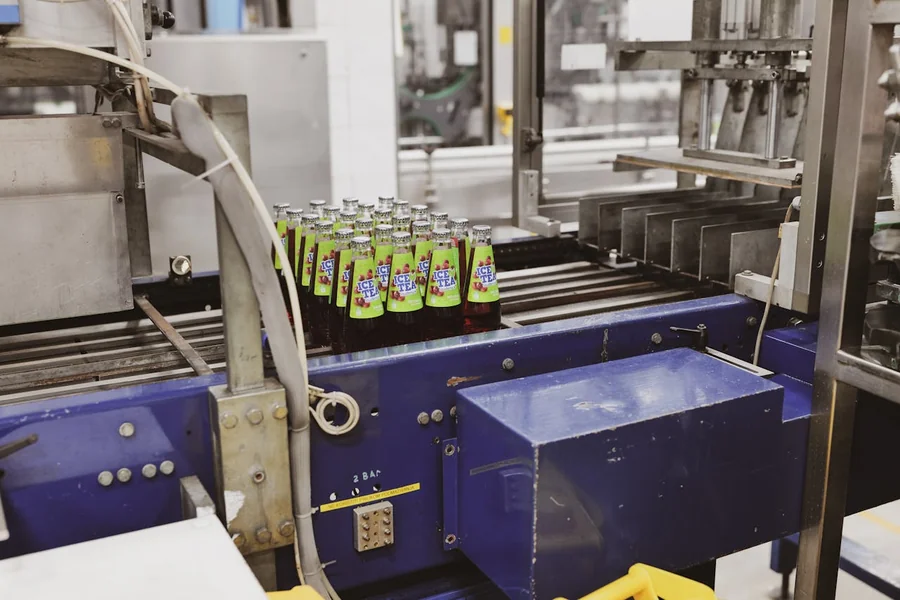
Packaging line efficiency is one of the more practical concerns for food and beverage companies, regardless of their size or the products they produce. When a packaging line runs well, it supports consistent output, reduces the chance of errors, and helps a company stay competitive in a market where speed and accuracy matter.
There are quite a few technologies and services available today that address different parts of the packaging process, from how raw ingredients are handled at the start of a line to how finished products are labeled before they leave the facility. This article takes a look at several of those solutions, what they do, and where companies typically go to access them.
Vision Inspection Systems for Quality Control
Vision inspection systems use cameras and image processing software to check products on a packaging line for defects, fill levels, label placement, and packaging integrity. These systems work at line speed, which means they can inspect a high volume of products without slowing production down.
For food and beverage companies, this type of quality control is valuable because it catches problems before products reach distribution, reducing the risk of recalls or customer complaints. Vision system providers are generally found within the industrial automation sector, and many specialize specifically in food and beverage applications.
Automated Filling and Portioning Equipment
Filling and portioning equipment handles the task of placing the correct amount of product into each container, whether that product is a liquid, a powder, or a solid food item. Accuracy in this part of the packaging process affects both product quality and regulatory compliance, since underfilling or overfilling can lead to labeling violations or customer dissatisfaction.
Automated filling systems reduce the inconsistency that comes with manual filling and can be calibrated to work across different product types and container sizes. These systems are widely available through packaging machinery suppliers and can often be configured to fit into existing line setups.
Conveyance and Line Integration Solutions
Conveyance systems are the infrastructure that moves products through different stages of a packaging line, connecting filling, sealing, labeling, and inspection equipment into a continuous workflow. Without well-designed conveyance, even the best individual machines on a line can create bottlenecks or handling errors that slow things down.
Modern conveyance solutions can be designed to handle fragile containers, unusual product shapes, or high-speed throughput requirements, depending on what a facility needs. Material handling companies and packaging system integrators typically provide these solutions, and many offer custom design services for facilities that have specific layout or product-handling constraints.
Automating Material Loading with the KMA-60 SmartLoader
The KMA-60 SmartLoader is an automated pallet loading system designed to handle the transfer of raw material pallets into CNC machining centers without relying heavily on manual labor. It is particularly relevant for metalworking and manufacturing operations that deal with heavy workpieces, fixtures, or other bulk materials that need to be moved into the CNC machine’s work envelope consistently and accurately for unattended operation.
Automated loading systems like this reduce variability in the machining process, which matters a great deal when product consistency and spindle uptime are tied to the precise handling and rapid exchange of pallets. Companies looking for this type of equipment can typically find it through industrial automation and CNC pallet loader suppliers or directly through manufacturers that specialize in material handling solutions for precision machining.
Sealing and Capping Technology
Sealing and capping are critical steps in food and beverage packaging because they directly affect product safety, shelf life, and tamper evidence. Automated sealing and capping systems are designed to apply consistent closure force and detect improperly sealed containers before they move further down the line.
The type of sealing technology a company uses depends on the container format and product type, with options ranging from induction sealers to rotary cappers to heat sealers for flexible packaging. These systems are available through packaging equipment manufacturers, and many vendors offer models suited to specific industries like dairy, beverage, or dry goods packaging.
Compliance and Traceability Through Modern Label Technology
Label technology in the food and beverage industry has grown well beyond simple printed stickers. Modern labeling systems can generate labels that carry detailed product information, batch codes, expiration dates, allergen warnings, and barcode or QR data that connects a product to its full production history.
This kind of traceability is important for regulatory compliance, as food safety standards in many markets require companies to be able to trace a product back through its production and distribution chain quickly and accurately, which label technology can help in. Labeling technology providers range from large automation companies to specialized label system vendors, and many offer solutions that integrate directly with existing packaging line software.
Cost Reduction Through Lean Packaging Practices
Lean practices in packaging focus on identifying and eliminating waste in the production process, whether that waste comes in the form of excess materials, inefficient workflows, or unnecessary handling steps. For food and beverage companies, this can mean evaluating everything from how packaging materials are sourced and stored to how changeovers between product runs are managed.
Lean packaging consulting services are available through operations management firms, and some packaging suppliers have dedicated efficiency teams that work with clients to review and improve their line performance. The goal of lean practices is not to cut corners but to make the existing process more reliable and resource-efficient.
Serialization and Track-and-Trace Software
Serialization software assigns a unique identifier to each individual product unit, creating a digital record that can be tracked as the product moves through production, warehousing, and distribution. This is increasingly relevant for food and beverage companies operating in markets where regulatory bodies require detailed documentation of a product’s movement through the supply chain.
Track-and-trace systems also support faster, more targeted responses in the event of a product recall, since companies can identify exactly which units are affected rather than issuing broad recalls. These software solutions are offered by supply chain technology companies, and many integrate with existing enterprise resource planning systems that a facility may already be using.
Packaging Material Management and Procurement
Managing packaging materials efficiently is a behind-the-scenes part of packaging line performance that often gets less attention than the equipment itself. If the right materials are not available at the right time, even a well-run packaging line will experience delays.
Procurement platforms and inventory management systems designed for packaging materials help companies maintain appropriate stock levels, manage supplier relationships, and reduce the risk of material shortages or excess inventory. These services are available through packaging distributors, supply chain management software providers, and some packaging manufacturers who offer managed inventory programs for their clients.
Workforce Training and Line Optimization Services
Technology alone does not make a packaging line efficient; the people operating and maintaining that equipment play a significant role in how well a line actually performs. Workforce training programs focused on packaging line operations cover topics like equipment handling, safety protocols, changeover procedures, and quality control practices.
Line optimization services go a step further by bringing in specialists to observe how a facility’s packaging line operates and identify opportunities to improve throughput, reduce errors, or better use the equipment already in place. These services are offered by packaging consultants, equipment manufacturers with service divisions, and industry training organizations that focus on food and beverage manufacturing.
Packaging line efficiency is shaped by many factors working together, from the equipment handling ingredients at the start of the process to the software tracking products as they leave the facility. The solutions covered in this article represent different parts of that process, and each one addresses a specific challenge that food and beverage companies commonly face.
What makes these technologies worth knowing about is not just what they do individually, but how they contribute to a packaging operation that is more consistent, more compliant, and better equipped to handle the demands of today’s market. As food and beverage companies continue to look for ways to improve their operations, having a clear picture of the tools and services available is a useful starting point for making informed decisions.