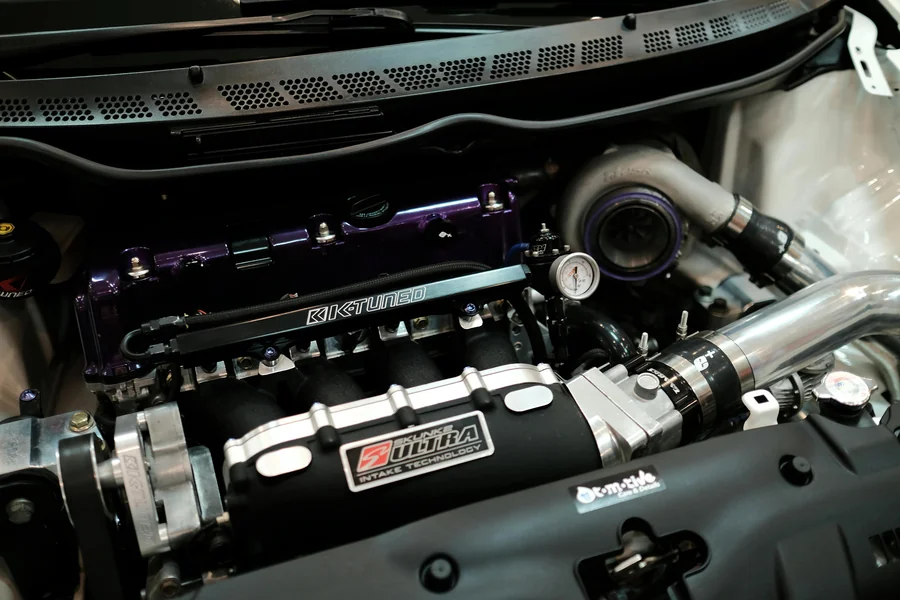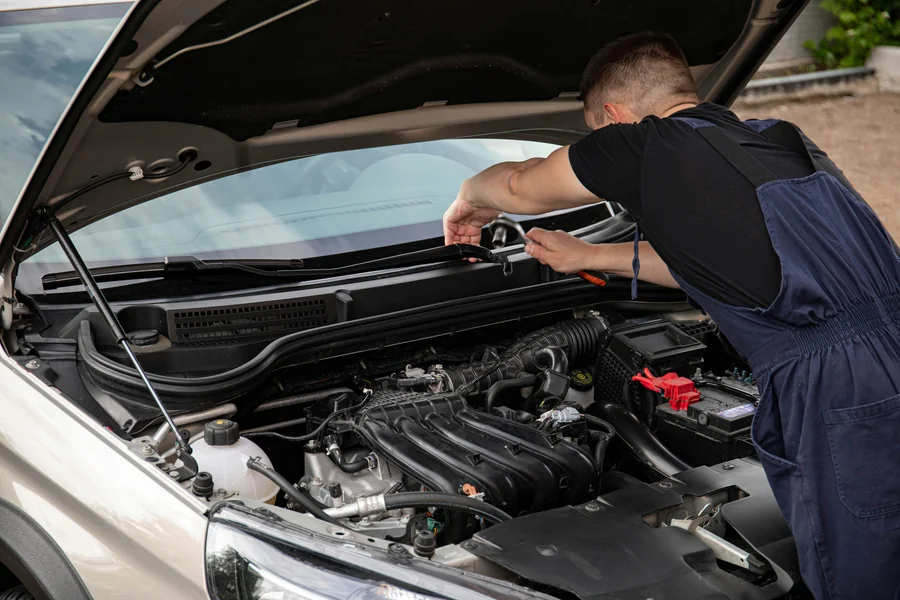
Replacing an engine can feel like a big decision, especially when you’re trying to stay within a budget. Used engines often offer a practical solution, giving vehicle owners a way to extend the life of their car without paying for a brand-new motor. Still, buying one requires a careful look at a few important details.
The good news is that a smart inspection can help you avoid costly surprises. By taking the time to evaluate the engine’s condition, history, and compatibility, buyers can feel much more confident about their purchase. Think of it less as a gamble and more as a step-by-step process.
Checking Compatibility Before Anything Else
Before inspecting the engine itself, the first step is confirming that it actually fits your vehicle. Engines may look similar on the outside, but differences in model years, sensors, or mounting points can create problems during installation. Matching the engine code and specifications to your vehicle is essential.
Many buyers overlook this early step and focus only on the engine’s condition. However, compatibility issues can lead to extra labor costs or additional parts. Taking a few minutes to verify these details ensures the engine will work with your car’s electronics and transmission.
Examining the Engine’s Overall Condition
Once compatibility is confirmed, the next step is a visual inspection. Look for obvious signs of damage such as cracks in the block, broken connectors, or missing components. While a used engine won’t look brand new, it shouldn’t appear abused or poorly maintained.
Pay attention to areas where fluids may have leaked. Oil stains or residue around seals could indicate past issues that might return later. A clean engine with intact parts usually suggests it was removed carefully and stored properly before being offered for sale.
Reviewing Mileage and Service History
Mileage is one of the biggest clues about how much life an engine may still have left. Lower mileage generally means less wear on internal components such as pistons and valves. However, mileage alone doesn’t tell the whole story.
Maintenance history matters just as much. Engines that received regular oil changes and basic care often perform better than those with neglected maintenance. When possible, ask for documentation or at least a basic record of where the engine came from.
However, if you’re shopping for used cars in Rancho Cordova, compatibility issues can lead to extra labor costs or additional parts. Taking a few minutes to verify these details ensures the engine will work with your car’s electronics and transmission.
Listening for Signs of Internal Health
If you have the chance to hear the engine run before buying, take advantage of it. Even a short start-up can reveal useful clues about its internal condition. Unusual knocking sounds or excessive vibration may signal worn parts inside the engine.
In many cases, sellers remove engines from vehicles before listing them. When that happens, buyers rely more on inspection reports or compression tests. A compression test simply measures how well the engine holds pressure inside its cylinders, which helps show whether key internal parts are still working properly.
Confirming Warranty and Seller Reputation
Even after careful inspection, it’s always wise to buy from a reputable seller. A trustworthy supplier usually provides clear descriptions, testing information, and some form of warranty. This extra protection can make a big difference if issues appear after installation. It also shows the seller is confident in the quality of what they are offering.
When people explore places to buy used engines, they often focus on price first. While cost matters, the seller’s reliability is equally important. A company that stands behind its products gives buyers greater peace of mind. It also helps ensure support is available if questions come up later.
Conclusion
Buying a used engine doesn’t have to feel risky when you approach the process carefully. By checking compatibility, inspecting the engine’s condition, reviewing mileage, and verifying the seller’s reputation, buyers can make informed decisions that protect their investment.
In the end, a well-chosen used engine can give a vehicle many more miles on the road. With a thoughtful inspection and a reliable source, drivers can restore performance without stretching their budget. The key is taking the time to evaluate each detail before making the final purchase.