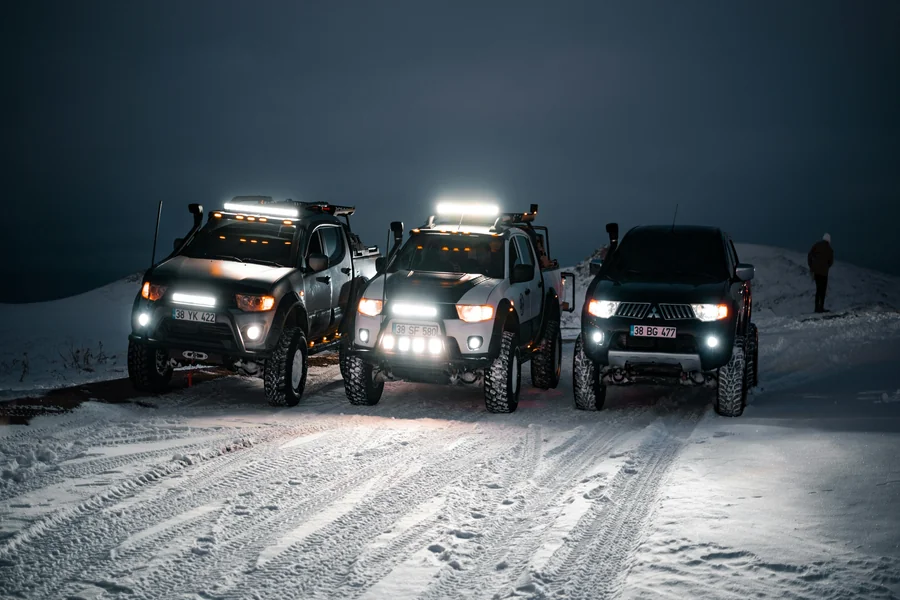
Driving off-road after dark changes everything. Trails that felt simple during the day suddenly look unfamiliar, and every turn seems a little tighter. That’s why lighting matters more than most drivers realize when the sun goes down.
But brightness alone doesn’t tell the whole story. The shape of the light beam—often called the beam pattern—makes a huge difference in what you can actually see on the trail. Whether you’re running spot, flood, or combo lights, the right pattern can help you drive safer and more confidently in different types of terrain.
Understanding How Beam Patterns Work
Beam patterns simply describe how light spreads out in front of your vehicle. Some beams are narrow and focused, while others spread wide across the ground. The way the light is shaped determines whether you see far down the trail or more of what’s around you.
Think of it like using a flashlight in the dark. A tight beam shines far ahead but doesn’t show much to the sides. A wider beam lights up the area around you but may not reach as far down the road. Off-road lighting systems use this same idea, but on a larger scale.
Seeing Farther With a Spot Beam
Spot beams are designed to reach as far down the trail as possible and instead of spreading outward, the light stays focused in a narrow path that stretches far ahead of your vehicle. This makes spot beams especially useful when driving across open terrain.
In desert areas or long dirt roads, the ability to see far ahead helps drivers react sooner to obstacles. Rocks, dips, or unexpected turns become easier to spot when the beam stretches hundreds of feet forward. Many off-road drivers mount spot lights higher on their vehicles to maximize that long-distance visibility.
Lighting Up the Surroundings With Flood Beams
Flood beams work in the opposite way. Instead of reaching far ahead, they spread light outward to illuminate a wider area. This makes them perfect for slow driving situations where seeing the edges of the trail is more important than distance.
On forest trails or rocky paths, flood beams help drivers notice obstacles on the sides of the vehicle. Tree branches, ruts, and uneven terrain become easier to spot because the light fills in the entire area around the trail. Many drivers prefer flood lights for crawling over rocks or navigating tight spaces.
Balancing Distance and Coverage With Combo Beams
Some drivers don’t want to choose between distance and width. That’s where combo beams come in. These lights combine both patterns so you can see far ahead while also lighting up the surrounding area. By integrating different optics into a single housing, these versatile off-road LED lights provide a “best of both worlds” solution for those with limited mounting space.
Combo lighting is popular among off-road enthusiasts who drive across different types of terrain. A single trail might include open desert sections followed by tight wooded paths. Using a mix of patterns helps drivers stay prepared for changing conditions without constantly switching lights on and off.
Matching Your Lighting to Your Terrain
The best lighting setup usually depends on where you drive most often. Wide-open environments like deserts benefit from long-distance visibility, while tighter wooded trails demand broader coverage to spot low-hanging branches. Thinking about your typical terrain can help guide your specific lighting choices.
Many drivers combine multiple beam types across their vehicles to create a balanced setup. For example, roof-mounted units may focus on distance, while bumper-mounted bars spread light across the immediate path. When exploring options like off-road LED lights, it’s helpful to consider how beam patterns work together rather than relying on raw brightness alone.
High-quality off-road LED lights are designed to project light exactly where it’s needed, preventing the “blinding” effect caused by glare reflecting off a hood or dashboard. Ultimately, the right configuration of lights will provide a seamless transition from the foreground to the horizon, ensuring no obstacles remain hidden in the dark.
Conclusion
Off-road lighting is about more than just making things brighter. The beam pattern determines how light is distributed, which directly affects what drivers can see on the trail. Spot beams reach far ahead, flood beams light up the surroundings, and combo beams provide a blend of both.
Choosing the right setup depends on the terrain you drive most often. When drivers understand how beam patterns work, they can build a lighting system that improves visibility and confidence after dark. With the right combination of lights, nighttime adventures can feel just as exciting—and much safer—as daytime ones.