
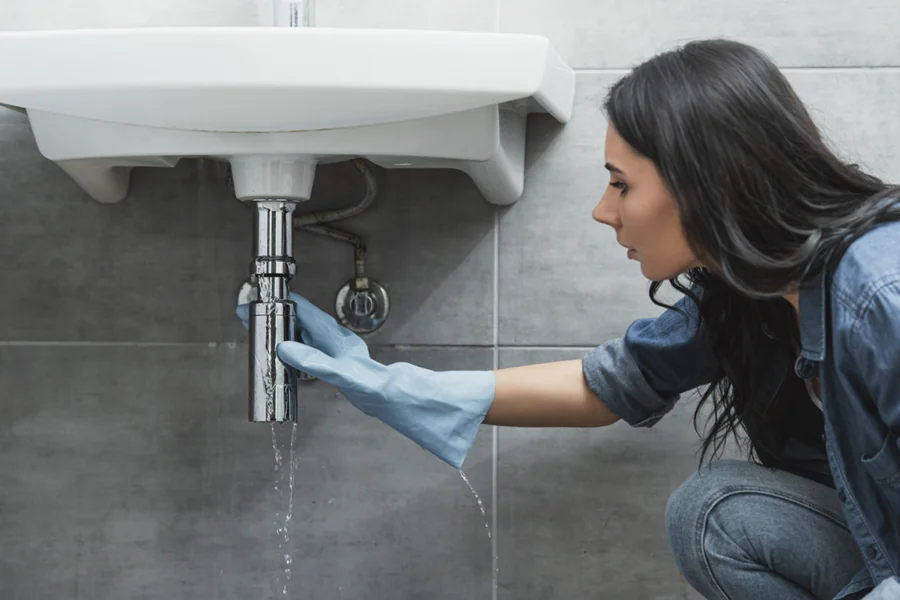
Bathroom water leaks often start small and quietly turn into costly repairs. A loose pipe connection, deteriorating seal, cracked supply line, or hidden plumbing problem can allow moisture to spread behind walls and beneath flooring. Fortunately, homeowners can take practical steps to reduce these risks.
This article will discuss where leaks commonly occur and how to prevent them, so you can protect your bathroom and avoid unexpected repair costs.
Inspect Bathroom Fixtures and Plumbing Regularly
One of the most effective ways to prevent bathroom water leaks is to inspect plumbing fixtures regularly. Faucets, showerheads, toilets, and sinks are used multiple times a day, putting constant pressure on internal washers and joints that naturally wear down over time and eventually lead to leaks. Even a slow drip deserves attention. Over time, water can damage surrounding surfaces, encourage mold growth, and increase utility bills.
Check beneath bathroom sinks for moisture or mineral deposits around pipe connections. Pay attention to faucets that continue dripping after being turned off and toilets that run intermittently, as these problems may indicate worn washers or deteriorating seals. Catching these warning signs early makes repairs more manageable.
Maintain Caulking and Grout Around Wet Areas
Caulking and grout create protective barriers that help keep water from entering spaces behind bathroom walls and beneath flooring. However, these materials do not last forever. Constant exposure to moisture, temperature changes, soap buildup, and regular cleaning can cause them to crack, shrink, or deteriorate.
Inspect the areas around bathtubs, showers, sinks, and tiled walls for visible gaps or damaged grout lines. Remove any old, deteriorating caulk completely and replace it with a high-quality, mildew-resistant waterproof sealant, ensuring the surface is thoroughly clean and completely dry before application. Grout damage should also be addressed promptly. If water repeatedly escapes through these vulnerable areas, it may eventually compromise the materials underneath the tile.
Check Toilets for Hidden Leaks and Loose Connections
Toilets are another common source of bathroom water leaks. A worn flapper, damaged wax ring, faulty fill valve, or loose supply line can allow water to escape quietly behind or beneath the toilet without creating an obvious puddle on the floor. These issues may gradually damage flooring and surrounding structures. Listen for toilets that refill unexpectedly or continue running after flushing; you can also perform a simple dye test by adding a few drops of food coloring to the toilet tank and waiting approximately 15 to 20 minutes without flushing.
If color appears in the bowl, the flapper may be allowing water to pass through. Inspect the base of the toilet for moisture or unusual odors, too. If the toilet rocks when pressure is applied, its seal may need professional attention.
Improve Bathroom Ventilation to Control Moisture
Not every moisture problem comes from a plumbing leak. Poor ventilation allows humidity from showers and baths to accumulate, potentially creating conditions that resemble water damage. Excess moisture can encourage mold growth, weaken certain building materials, warp wooden vanities and trim, and contribute to peeling paint or deteriorating finishes across walls and ceilings.
Use an appropriately sized exhaust fan during showers and leave it running afterward to help remove lingering humidity. Keep bathroom doors or windows open to encourage air circulation. It’s also important to clean exhaust fan grilles periodically, as accumulated dust can reduce airflow; if condensation regularly collects on mirrors or walls, consider whether your current ventilation system is adequate. Controlling humidity helps protect surfaces and makes it easier to recognize genuine plumbing leaks.
Address Small Plumbing Problems Before They Worsen
Minor plumbing issues rarely resolve themselves. A dripping faucet, loose connection, slowly running toilet, or damp cabinet may seem insignificant initially, but continued exposure to water can cause substantial damage over time. Addressing these concerns promptly is essential to protecting your bathroom. Homeowners should avoid relying on temporary fixes like plumber’s tape or quick sealants when a worn plumbing component needs proper, lasting attention. Professional plumbers can identify the source of a leak. They can also assess affected connections and recommend appropriate water leak repair or other plumbing repairs.
If you notice unexplained increases in your water bill, persistent dampness, musty odors, or water stains on nearby walls, arrange an inspection rather than waiting for the damage to become more visible. Contacting a qualified plumbing professional is also a practical way to get more info about identifying leaks and maintaining your bathroom’s plumbing.
Conclusion
Protecting your bathroom from water leaks starts with paying attention to its plumbing. Regular inspections, proper ventilation, fresh caulking, and timely repairs can help prevent small problems from becoming expensive restoration projects. When you notice warning signs, address them promptly. A little preventive maintenance today can save considerable time and disruption in the future.