Losing someone you love is one of the most overwhelming experiences a person can go through. In the days that follow, there are practical matters to attend to alongside the very real weight of grief, and it can feel like a lot to manage all at once.
Many people find themselves unsure of what needs to happen, who is responsible for what, or where to even begin looking for help. This article is here to give you a friendly, clear picture of what to expect in those early days, so that you and your family can feel a little more grounded during a very difficult time.
Family and Friends
When someone passes away, one of the first things that typically happens is reaching out to the people who were close to them. This includes immediate family members, longtime friends, colleagues, and anyone else who would want to know. The responsibility of making these calls or sending messages often falls on the next of kin or a close family member, and it can be emotionally exhausting to repeat the news multiple times.
Funeral homes, hospitals, and hospice providers often have staff who can help guide families on who else may need to be formally notified, such as employers, government agencies, or financial institutions.
Death Certificate
A death certificate is an official legal document that confirms a person has passed away, and it is one of the most important records you will need in the days that follow. It is typically issued by a funeral home in coordination with a physician or medical examiner and then registered with the local or state vital records office.
Multiple certified copies are usually needed because banks, insurance companies, government agencies, and estate attorneys all require their own copy before taking any action. Funeral directors are a primary resource for obtaining certified copies, and local vital records offices or state health departments can also provide them.
Funeral Arrangements
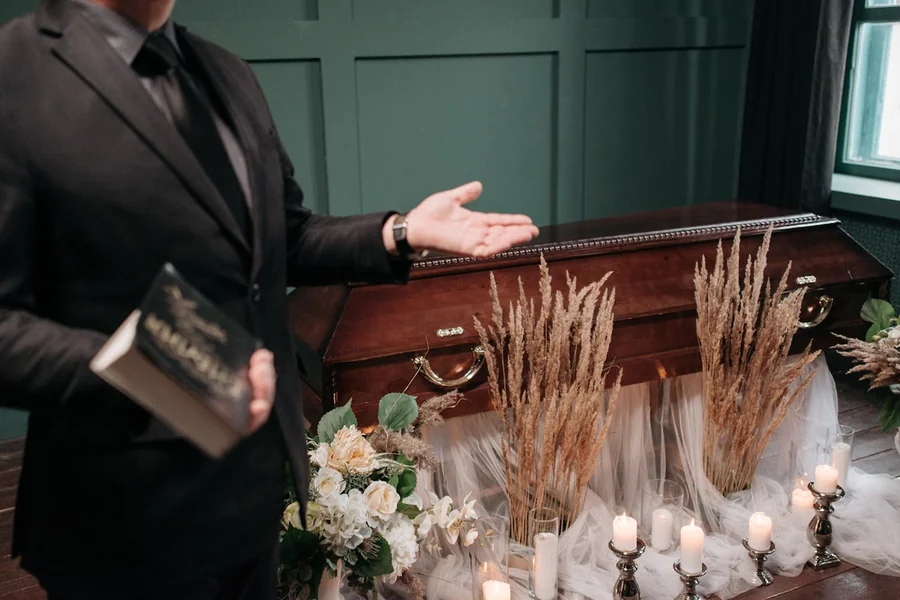
Funeral arrangements cover a wide range of decisions, from the type of service held to whether burial or cremation is chosen, and they typically need to be made within a short window of time after a death. Funeral homes, such as Laurel Hill West & Laurel Hill Funeral Home, are the main service providers for this process, and they walk families through the available options, including traditional funerals, graveside services, cremation, and memorial services held at a later date.
Religious institutions, community centers, and even private venues can also serve as locations for memorial gatherings depending on the family’s wishes and cultural background. If the deceased had pre-planned or pre-paid for their arrangements, those documents are usually held by the funeral home or an attorney, and they can make the decision-making process considerably easier for the family.
Emotions and Mental Well-being
Grief does not follow a predictable pattern, and the emotional experience of losing someone close can range from deep sadness and numbness to anger, disbelief, or even moments of unexpected calm. Everyone processes loss differently, and there is no right or wrong way to feel in the days following a death.
It is common for people to feel physically exhausted, have difficulty concentrating, or experience disrupted sleep as their body and mind respond to grief. Mental health professionals such as grief counselors, therapists, and psychologists are trained to support people through bereavement, and many hospitals, hospice organizations, and community health centers offer referrals to these services.
Taking Time Off Work
Most people are not in a position to return to work immediately after a loss, and taking time away is a normal and recognized need. Bereavement leave is a type of paid or unpaid time off that employers offer specifically for situations involving the death of a family member, and the policies vary depending on the employer and the relationship to the deceased. In some cases, employees may also use personal days, sick leave, or short-term family leave depending on what their workplace allows.
Human resources departments are the right point of contact for understanding what is available, and employment assistance programs through larger companies sometimes offer additional support such as counseling referrals or help with workload management during the absence.
Support Groups
Support groups bring together people who are going through similar experiences of loss, and many find them to be a helpful complement to individual counseling or therapy. They can be found through hospitals, hospice organizations, religious communities, nonprofit grief organizations, and online platforms that host virtual meetings.
Some groups are organized around specific types of loss, such as the death of a spouse, a child, or a parent, while others are open to anyone experiencing bereavement. Participating in a support group is not required, but many people find comfort in knowing they are not alone and in hearing how others are managing their grief over time.
Legal and Financial Matters
After a loved one passes, there are legal and financial matters that eventually need attention, even if they do not all need to be addressed in the very first days. These can include locating a will, notifying banks and financial institutions, addressing outstanding debts, and understanding what assets are part of the estate.
Estate attorneys, also called probate attorneys, specialize in helping families work through these matters and can explain what the legal process looks like depending on the state or country. Banks, insurance companies, and financial advisors are also important contacts during this time, as they can help surviving family members understand what accounts or benefits they are entitled to access.
Dependents and Pets
If the person who passed away was a primary caregiver for children, elderly relatives, or pets, arranging for their continued care becomes an immediate priority. Family members often step in during the initial days, but longer-term plans may need to be made depending on the circumstances.
Child protective services, family courts, and legal guardians may become involved if there are minor children without another parent or guardian available. For pet care, local animal shelters, veterinarians, and pet foster networks can provide temporary assistance while the family determines a longer-term arrangement.
Government Agencies and Benefits
Several government agencies typically need to be informed of a death, including Social Security, the Department of Veterans Affairs if the deceased was a veteran, and any agency through which the person received benefits. Funeral homes often notify the Social Security
Administration directly as part of their standard process, but family members may still need to follow up regarding survivor benefits or the suspension of payments. State and local agencies may also need to be contacted depending on what programs the person was enrolled in. Benefits counselors, social workers, and legal aid organizations can help families understand what they may be entitled to receive and what obligations need to be fulfilled.
Personal Belongings and Property
Going through the belongings of someone who has passed is an emotionally significant task, and it does not have to happen immediately. The timeline for sorting through a person’s home, vehicle, clothing, and personal items is largely up to the family, though there may be legal considerations if the property is rented or if the estate is going through probate.
Estate sale companies, donation organizations, and professional organizers who specialize in bereavement situations can assist when the family is ready. Real estate agents who work with estates can also be a resource if property needs to be sold, and many are familiar with the sensitivities involved in these situations.
Self-Care and Physical Wellbeing
Physical health can easily take a back seat during the grieving process, but the body still needs basic care even when the mind and heart are overwhelmed. Sleep disruption, changes in appetite, and physical tension are all common responses to grief and are worth paying attention to.
Primary care physicians can be a helpful point of contact if grief is noticeably affecting physical health, and some may be able to refer patients to mental health resources as well. Community wellness centers, faith-based organizations, and even local recreation facilities sometimes offer programs specifically designed for people going through bereavement, recognizing that physical activity and social connection both play a role in overall wellbeing.
The days following a loss are filled with a mix of emotional weight and practical responsibility, and no one is expected to manage all of it perfectly. Knowing what to expect and where to turn for help can make a real difference in how supported a family feels during this time.
Whether it is a funeral director guiding arrangements, an attorney explaining legal matters, a grief counselor offering a safe space to talk, or a support group reminding someone they are not alone, there are people and services available to help at every turn. Give yourself and those around you the grace to grieve at your own pace, ask for help when you need it, and know that getting through this, one day at a time, is enough.