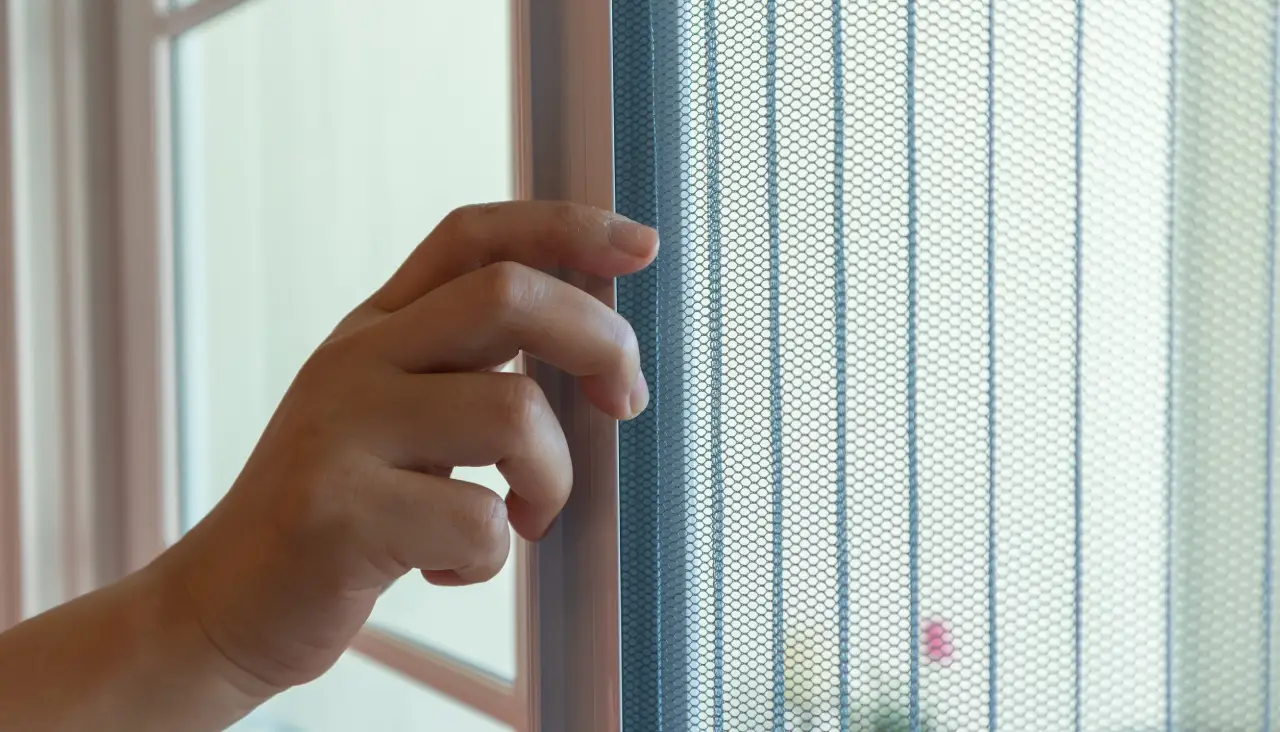
Fly screens—also called insect screens or window screens—are a simple but highly effective addition to homes and buildings. They allow fresh air to flow indoors while keeping out insects, debris, and even some airborne allergens. Although they are often thought of as a “summer upgrade,” the decision about when to install fly screens depends on climate, building stage, pest activity, and lifestyle needs. Understanding the right timing can help you maximize comfort, energy efficiency, and long-term value.
Before or After Moving In: The Best Timing for New Homes
One of the most practical times to install fly screens is during the final stages of building a new home or shortly after moving in. When windows are being measured or installed, it is much easier to fit screens precisely. Custom-made screens require exact dimensions, and installing them early avoids later adjustments or mismatched fittings.
If screens are added during construction or renovation, they can be integrated neatly into the window design. This often results in a cleaner appearance and better durability because frames can be secured more effectively. For homeowners building from scratch, it is worth including fly screens in the initial design plans rather than treating them as an afterthought.
Spring: Preparing for Insect Season
For most regions with seasonal changes, spring is the most common time people consider installing fly screens. As temperatures rise, insects such as flies, mosquitoes, wasps, and gnats become more active. Windows and doors are opened more frequently to ventilate homes, which naturally increases the chance of pests entering indoors.
Installing fly screens in early spring ensures that your home is protected before peak insect season begins. This is particularly important in areas near water, forests, or gardens where mosquito populations tend to grow quickly. By installing screens before summer arrives, you avoid the inconvenience of dealing with insect problems after they’ve already started.
Summer: High Demand and Immediate Need
Summer is when fly screens are most heavily used and most urgently needed. Hot weather encourages people to keep windows open for airflow, especially at night. Unfortunately, this also coincides with peak insect activity.
If screens were not installed earlier in the year, summer is still a valid—but sometimes less convenient—time to install them. Demand for installation services is typically higher during this season, which can lead to longer wait times or higher costs. DIY installation is also more common during summer, especially for standard-sized windows where ready-made screens are available.
However, summer installation is still highly beneficial. Even if insects have already become a problem, adding fly screens immediately improves comfort and reduces the need for chemical repellents or closed windows in hot weather.
Autumn: A Strategic but Overlooked Option
Autumn is often overlooked as a time to install fly screens, but it can actually be one of the most strategic periods. As insect activity begins to decline, installation companies tend to have fewer bookings, making it easier to schedule work and sometimes even negotiate better prices.
Installing screens in autumn also prepares your home well in advance for the following spring and summer. It eliminates last-minute stress and ensures everything is ready before insect season returns. Additionally, autumn weather is usually mild, making installation more comfortable for both professionals and DIY homeowners.
Another advantage is that by autumn, you may have already experienced any insect-related issues in the summer and have a clearer understanding of which windows or doors need screens most urgently.
Winter: Planning and Off-Season Preparation
Winter is the least common time to install fly screens, but it can still be useful for planning and preparation. Since windows are rarely open during colder months, insect protection is not a priority. However, this season is ideal for measuring windows, ordering custom screens, or planning upgrades for the upcoming year.
Because it is the off-season, suppliers and installers may have more availability, and pricing can sometimes be more competitive. Homeowners who take advantage of winter planning can ensure early installation in spring without delays.
Winter is also a good time to inspect existing screens for damage. Tears, bent frames, or loose fittings can be repaired or replaced so that everything is ready before warmer weather returns.
When You Experience Specific Pest Problems
Beyond seasonal timing, one of the clearest indicators that it is time to install fly screens is the presence of persistent insect problems indoors. If flies are regularly entering your kitchen, mosquitoes are disturbing sleep, or other pests are becoming a nuisance, installation should be prioritized immediately regardless of the season.
Homes near farms, bodies of water, restaurants, or waste areas often experience higher insect activity year-round. In such cases, fly screens are not just a seasonal convenience but a necessary part of maintaining hygiene and comfort.
During Renovations or Window Replacements
Another ideal time to install fly screens is during home renovations or when replacing windows and doors. Since frames and openings are already being modified, it becomes easier and more cost-effective to include screens in the project.
Modern window systems often have integrated screen options that are designed to fit seamlessly. Installing screens at this stage ensures better alignment, improved insulation, and a more professional finish compared to adding them later.
Lifestyle Factors That Influence Timing
The best time to install fly screens also depends on how you use your home. For example, households that frequently open windows for ventilation—such as homes without air conditioning—benefit from earlier installation, often in spring or even late winter.
Families with young children, pets, or members sensitive to insect bites should consider installing screens as soon as possible, regardless of season. Similarly, people who enjoy sleeping with open windows during warm nights will gain immediate benefit from early installation.
Conclusion
There is no single “perfect” universal time to install fly screens, but there are clearly optimal periods depending on your circumstances. Spring is ideal for preparing for insect season, summer is essential for immediate relief, autumn offers a strategic and cost-effective window, and winter is best for planning ahead. New construction, renovations, or recurring pest issues can shift the timing even further toward immediate installation.
Ultimately, the best time to install fly screens is before insects become a problem rather than after. By planning ahead and considering your local climate and lifestyle, you can ensure a more comfortable, healthier, and more enjoyable living environment year-round.