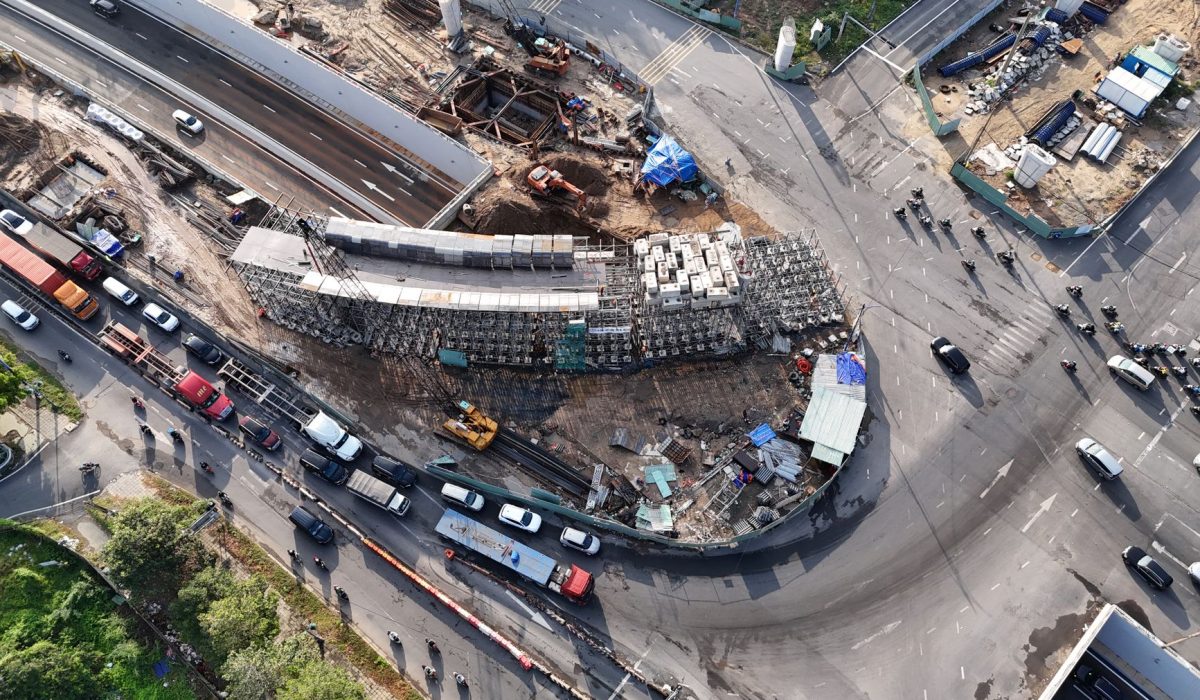
Major roadworks bring a level of disruption that ripples well beyond the immediate work zone, affecting commuters, local businesses, and emergency services alike. Getting the underlying traffic plan right before the first piece of equipment arrives on site is one of the most consequential decisions a project team makes, shaping everything from public safety to how smoothly the surrounding area continues to function.
Why Major Roadworks Demand a Different Level of Planning
Smaller, short-duration jobs can often get by with relatively simple traffic arrangements, but major roadworks introduce a scale of disruption that requires considerably more careful thought. Extended timelines, heavier machinery, and often multiple work zones operating simultaneously mean that a plan adequate for a modest job simply won’t hold up under the pressure of a larger, longer project.
Understanding the Purpose of a Traffic Guidance Scheme
At the center of any properly managed major roadwork project sits a formal Traffic Guidance Scheme, a detailed document outlining exactly how vehicles and pedestrians will be directed safely around the work area throughout the project’s duration. This isn’t a generic template applied uniformly across every site — it’s tailored specifically to the road layout, traffic volume, and unique risks present at a particular location.
Assessing Traffic Volume and Peak Periods
Before any physical planning begins, understanding how much traffic typically moves through an area, and when it peaks, shapes nearly every subsequent decision. A plan that works well during quiet midday hours might completely fail during a morning commute, making time-of-day analysis an essential part of any serious planning process for major roadworks.
Coordinating With Local Authorities and Councils
Major roadworks rarely proceed in isolation from broader municipal planning. Coordinating with local councils and road authorities ensures a project’s traffic arrangements align with surrounding infrastructure decisions, upcoming events, and any other nearby work that might compound congestion if left unaddressed during the planning stage.
Designing Detours That Actually Work for Drivers
A poorly designed detour creates as many problems as it solves, sending confused drivers down inappropriate routes or creating new congestion points elsewhere in the network. Effective detour planning considers not just where traffic needs to go, but how clearly that path is communicated through signage, and whether the alternative route can genuinely absorb the redirected volume without becoming a bottleneck itself.
Protecting Pedestrians and Cyclists Throughout the Project
Vehicle traffic tends to dominate planning conversations, but pedestrians and cyclists navigating near a major roadwork site face their own distinct risks. Dedicated walkways, clear signage, and physical separation from vehicle traffic all need to be built into the plan from the outset, rather than added as an afterthought once the vehicle-focused elements are finalized.
Building Flexibility Into the Plan From the Start
Even the most thorough planning process can’t anticipate every variable, from unexpected weather delays to unforeseen underground conditions that extend a project’s timeline. A well-designed plan includes built-in flexibility, allowing adjustments to be made without requiring an entirely new approval process every time circumstances shift even slightly.
Communicating Changes to the Public Effectively
Major roadworks affect people well beyond the immediate work crew, and keeping the public informed about upcoming changes, closures, or detours significantly reduces frustration and confusion once work actually begins. Clear advance notice, through signage, local media, or direct communication with affected businesses, helps the surrounding community adjust their routines with minimal disruption.
Reviewing and Adjusting as the Project Progresses
A traffic plan approved before work begins shouldn’t be treated as fixed for the entire project duration. Longer roadworks in particular benefit from periodic review, ensuring the arrangement still reflects actual conditions on the ground rather than assumptions made months earlier during the initial planning phase, before the project’s true impact was fully understood.
A Foundation That Protects the Entire Project
Careful, thorough planning around traffic flow ultimately protects far more than just the immediate work zone — it protects the safety of workers, drivers, and pedestrians, while also preserving the surrounding community’s ability to function with minimal disruption throughout what can often be a lengthy and genuinely challenging project. Getting this foundation right from the very beginning consistently proves to be time well spent once work is actually underway.