
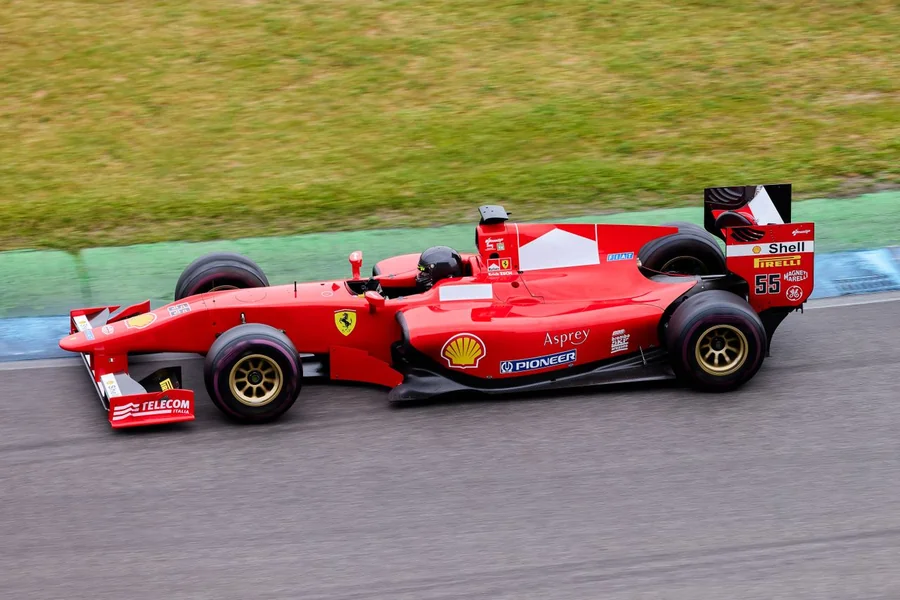
Professional racing demands incredible focus on vehicle balance and handling on the track. Mechanics spend hours refining the car to maximize grip and cornering speeds. The materials chosen for these modifications play a massive role in track performance.
Let us examine the theories behind these decisions and the dense metals that make them possible.
Basics of Weight Distribution
Weight distribution dictates vehicle handling. Placing mass in specific locations across the frame remains a top priority for mechanics. Shifting this weight directly affects front tire grip and rear axle stability. A balanced car lets drivers push the physical limits of the tires.
Center of Gravity Importance
A major goal in motorsport engineering is lowering the center of gravity. Keeping the mass close to the ground reduces body roll during hard cornering.
This keeps the suspension geometry favorable. Drivers experience predictable feedback through the steering wheel when a car stays flat through a turn.
Introducing Tungsten Heavy Alloys
Finding space to mount extra weight low in the vehicle presents a serious challenge. Teams use tungsten heavy alloy solutions to pack maximum density into tiny spaces. Materials like Grade HA180 and Grade HA185 offer incredible mass without taking up room on the floor pan.
Acquiring these specialized materials requires working with businesses like Federal Carbide Company, capable metal fabricators, specialized metallurgical facilities, and custom CNC machining providers who offer raw alloys as a direct service to racing teams.
Placement of Dense Components
Engineers bolt dense materials directly to the lowest points of the vehicle structure. Racing regulations dictate minimum weights for the entire vehicle. Teams attach tungsten heavy alloy skid plates and chassis weights to meet these strict rules. These components place the required ballast at the absolute lowest point on the track car.
Modifying Seat and Cockpit Ballast
Drivers possess varying physical builds. Teams must compensate for lighter drivers by placing additional mass directly under the racing seat. Mechanics bolt tungsten heavy alloy plates and solid bronze blocks into the cockpit floor to standardize the total vehicle mass.
Motorsport engineering firms and specialty metal distributors provide these custom interior ballasts as an exact calibration service.
Balancing Rotational Components
Spinning parts require perfect mass distribution. Mechanics attach tiny weights to drive shafts and wheel hubs to prevent destructive mechanical oscillation. Molybdenum and tungsten heavy alloys function flawlessly as counterweights for these critical assemblies.
Industrial alloy distributors and precision turning facilities offer these specialized balancing blanks as a dedicated service.
Optimizing Gearbox Mass
The transmission sits very low in the racing chassis. Modifying the lower gearbox casing with dense materials lowers the overall center of gravity even further.
Technicians integrate tungsten heavy alloys, dense steel inserts, solid copper plates, and brass components into the transmission housing. Industrial machining centers and heavy metal foundries manufacture these custom gearbox weights as a dedicated supply service.
Suspension Stiffness and Tuning
Spring rates control chassis movement under acceleration and heavy braking. Stiffening the suspension prevents the front of the car from lowering toward the asphalt during deceleration. Softer springs increase traction on rougher track surfaces.
Tuning the shocks requires a compromise between aerodynamic stability and mechanical grip.
Advanced Machining Services
Shaping dense materials requires specialized cutting tools and significant expertise. Teams outsource this work to advanced material suppliers and specialized racing fabrication shops.
These external facilities use heavy equipment to drill threaded mounting holes into tough alloys. Getting these parts custom machined as a service saves racing teams significant time during the busy race season.
Vibration Damping Materials
High speeds generate intense vibrations. These vibrations loosen fasteners and fatigue metal components.
Dense metals naturally absorb many of these unwanted frequencies. Tungsten alloys function as excellent inertial dampeners for engine mounts, transmission supports, suspension arms, and steering racks.
Reinforcing Structural Joints
Racing strains the vehicle frame intensely. Teams strengthen critical connection points to maintain rigid structural integrity during severe track conditions. Heavy alloys and high-strength steels provide localized reinforcement without expanding the physical footprint of the chassis tubing.
Metallurgical firms and custom foundries supply these rigid structural inserts as an on-demand service.
Aerodynamic Balance Interaction
Mechanical grip must work in harmony with aerodynamic downforce. Air rushing over the wings pushes the car downward at high speeds.
Stiff suspension setups resist this downward pressure to maintain a consistent ride height. The interaction between air pressure and spring resistance requires constant adjustment from the pit crew.
Anti-Roll Bar Adjustments
Anti-roll bars connect the left and right sides of the suspension. These metal bars transfer force across the chassis to keep the car level.
Adjusting the stiffness of these bars changes vehicle behavior during corner entry. Teams soften or stiffen the bars to fix understeer and oversteer tendencies on the track.
Final Track Preparations
Every track requires a unique setup philosophy from the engineering team. Mechanics adjust camber and caster angles based on the specific layout of the upcoming circuit. The data collected during practice sessions informs the final suspension tweaks before qualifying begins.
All these material choices and geometric adjustments combine to create a competitive racing machine.
Understanding vehicle dynamics reveals the reality behind professional motorsport setups. Every single component plays a part in decreasing lap times.
The strategic placement of heavy alloys provides teams with a mechanical advantage. This level of meticulous preparation makes high-performance racing a fascinating discipline.