
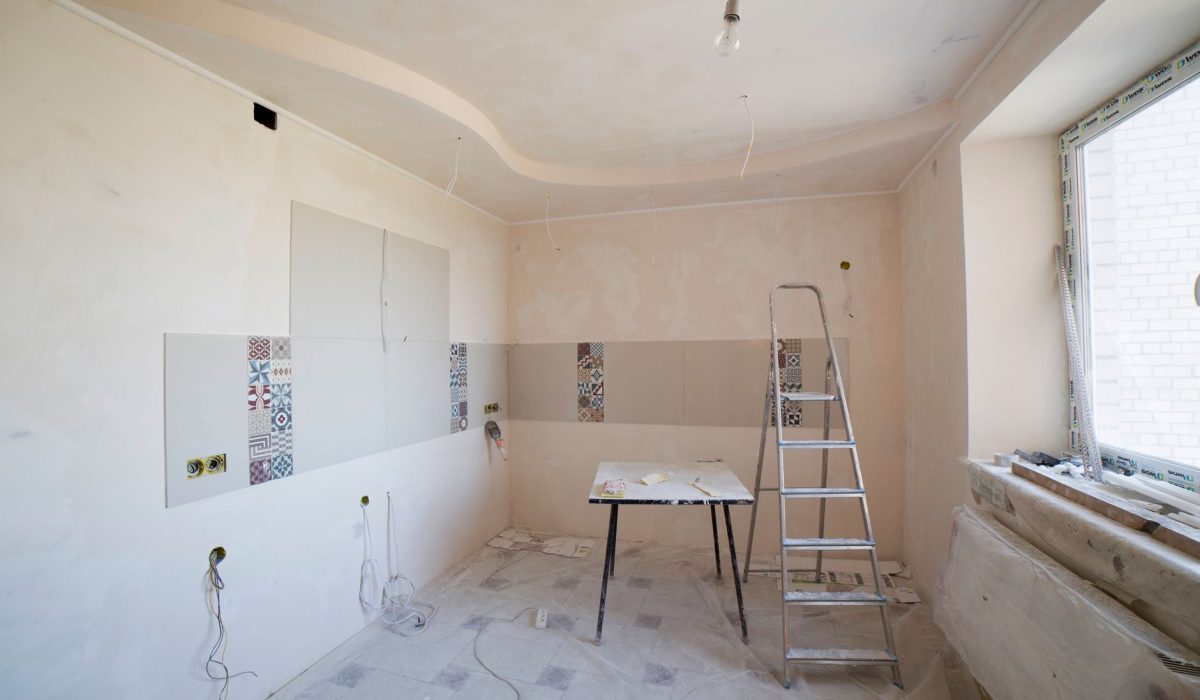
Home renovation projects can feel daunting when you consider the scope of decisions ahead. You face choices about budgets, timelines, contractors, materials, and design details all at once. The prospect of managing multiple vendors, unexpected issues, and significant expenses can create genuine anxiety. However, breaking your renovation into manageable steps reduces stress considerably. With a structured approach, you can move through your project with confidence and clarity.
Start With a Clear Vision and Realistic Budget
Before you contact any contractors or purchase materials, you need a concrete understanding of what you want to achieve. Spend time thinking about the specific problems you want to solve in your home. For example, if your kitchen lacks counter space and outdated appliances, focus on those issues rather than attempting a complete redesign. You can gather inspiration from home design magazines, social media platforms, and home improvement websites. Write down your priorities, must-haves, and nice-to-have features so you can reference them throughout the process. Once you have a vision, establish a realistic budget that accounts for both materials and labor, and research average costs for similar projects in your area to understand what you can reasonably expect to spend. Add a contingency fund of 10 to 20 percent to your estimate for unexpected expenses that arise during construction, because your budget becomes the foundation for every other decision you make moving forward. When you know your financial limits upfront, you can make intentional choices rather than reactive ones.
Develop a Detailed Timeline and Project Scope
A comprehensive timeline keeps your project on track and prevents scope creep, which happens when additional work gets added beyond the original plan. Identify each phase of your renovation in order, from demolition through final touches. Ask potential contractors how long they estimate each phase will take, and factor in time for inspections and permit approvals if necessary. Understanding the full duration helps you prepare for disruptions to your daily life and plan accordingly. You should also discuss with your contractor how unexpected delays will be handled and communicated.
Define your project scope in writing so everyone involved understands exactly what work will happen and what will not. For instance, if you are renovating a bathroom, specify whether the contractor will replace the shower surround, update plumbing fixtures, install new tile, and repaint. This prevents misunderstandings later when someone assumes a task was included when it actually was not. Share this written scope with all contractors who provide estimates so you can compare quotes accurately. Clear boundaries around scope protect both your budget and your peace of mind, and they give every party a consistent reference point if disputes arise.
Hire the Right Contractors and Maintain Clear Communication
Selecting qualified contractors makes an enormous difference in your renovation experience and final results. Ask friends, family, and neighbors for recommendations, and check online reviews and ratings from verified customers. Interview multiple contractors, request references, and verify their licenses and insurance coverage. A reputable contractor should provide a detailed written estimate, explain their process, and answer your questions thoroughly. You can trust your instincts about whether someone communicates clearly and respects your time and concerns.
Establish clear communication expectations with your chosen contractor from the start. Decide how often you will receive updates, who your main point of contact will be, and how you will address concerns or changes. Homeowners pursuing home remodeling in Las Vegas and other high-growth markets often rely on contractors who provide structured weekly updates and dedicated project managers to keep communication consistent. Regular check-ins help you catch small issues before they become large problems. Your contractor should explain what to expect each week so you are not surprised by noise, disruptions, or deliveries. When communication flows smoothly, the entire project feels more manageable and collaborative.
Conclusion
Planning a home renovation requires intentional steps to keep the process organized and less stressful. You benefit from establishing a clear vision paired with a realistic budget, creating a detailed timeline with a defined scope, and hiring contractors who communicate effectively. Each of these elements supports the others, creating a foundation for a smoother project experience. While no renovation proceeds without challenges, a structured approach gives you the tools to handle complications calmly. Taking time upfront to plan thoroughly pays dividends in reduced stress and better outcomes. For additional guidance, the National Association of the Remodeling Industry offers resources on finding qualified professionals and understanding industry standards.